Bujeti (YC W23)
A finance dashboard for African businesses, built on a design system that automates itself.
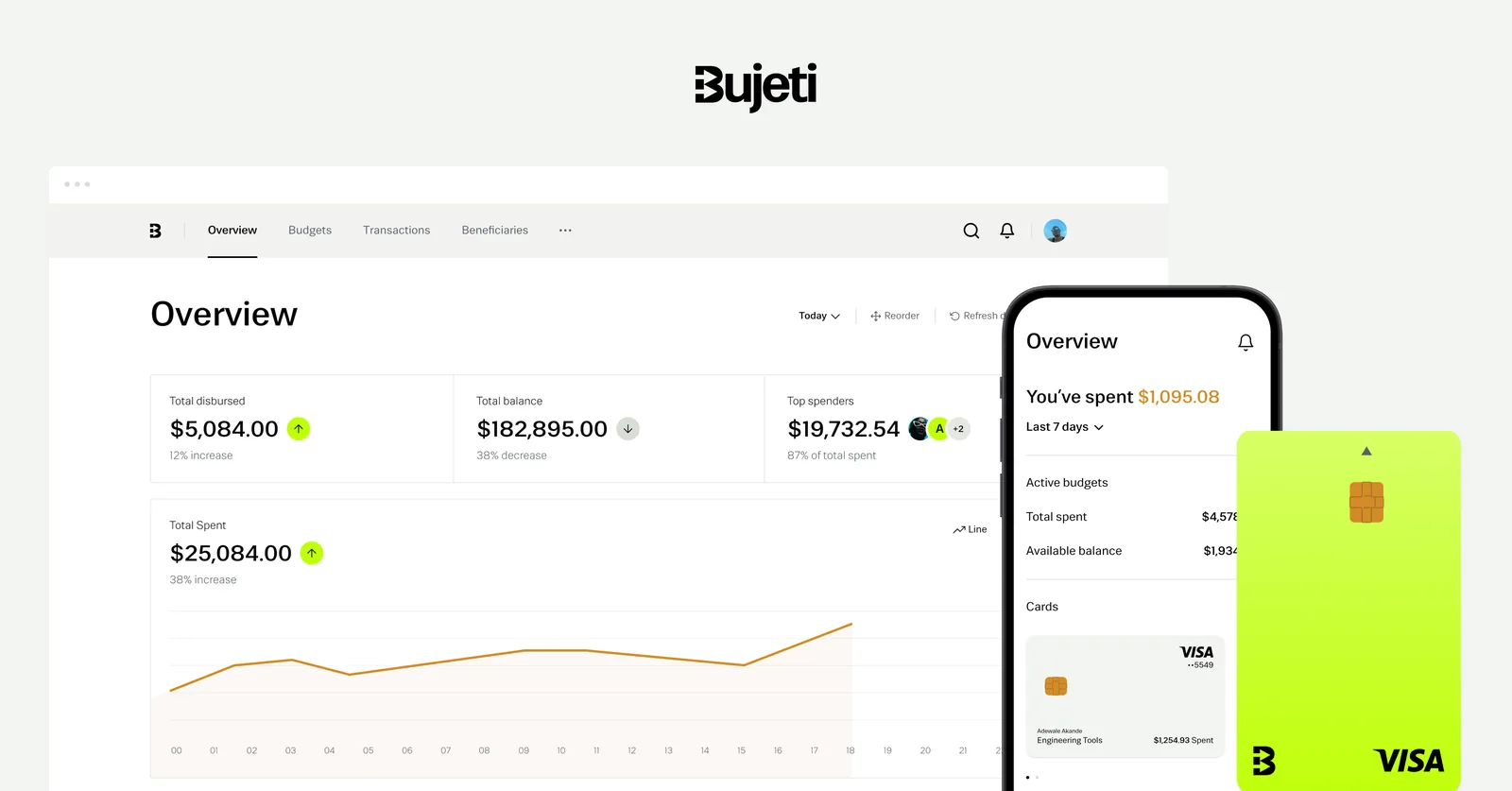
Bujeti is a spend management and budgeting platform that helps African businesses run their finances. I designed the first version of the dashboard, which supported a fundraising round, then kept shaping the product and built the design system behind it.
Context
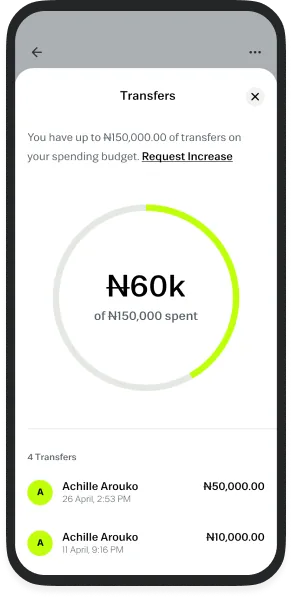
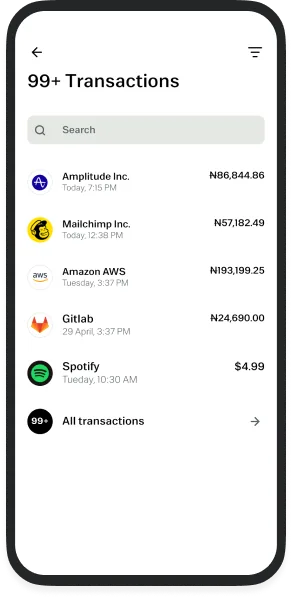
As product designer, I worked on the platform’s core features: expense management, cards, analytics and more. The goal was an interface both intuitive and powerful, giving full visibility on company spending, with a flexible tool for managers to set spending policies and processes, backed by real-time data for better decisions.
We worked as a true full-remote startup: pragmatic decisions, short agile sprints, and constant iteration to answer user needs fast.
What I did
- Designed the interface of the platform’s main features
- Worked closely with developers for a smooth design handoff and integration
- Ran user tests to refine the experience and collect feedback
- Iterated on the design with users and stakeholders
Key screens
Onboarding
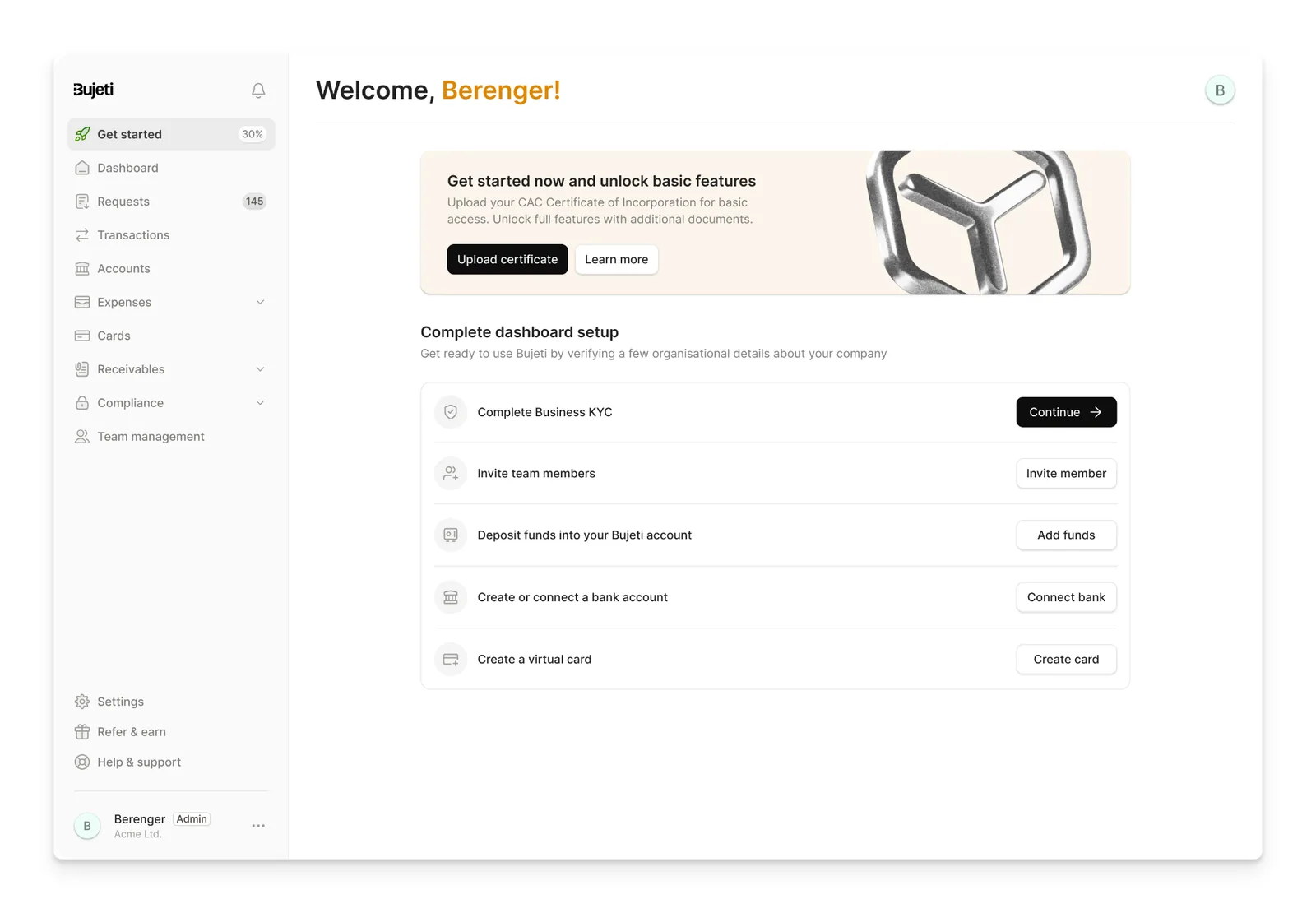
The onboarding was redesigned to simplify sign-up, lift conversion, and give users access to some features before their documents are fully validated.
Dashboard
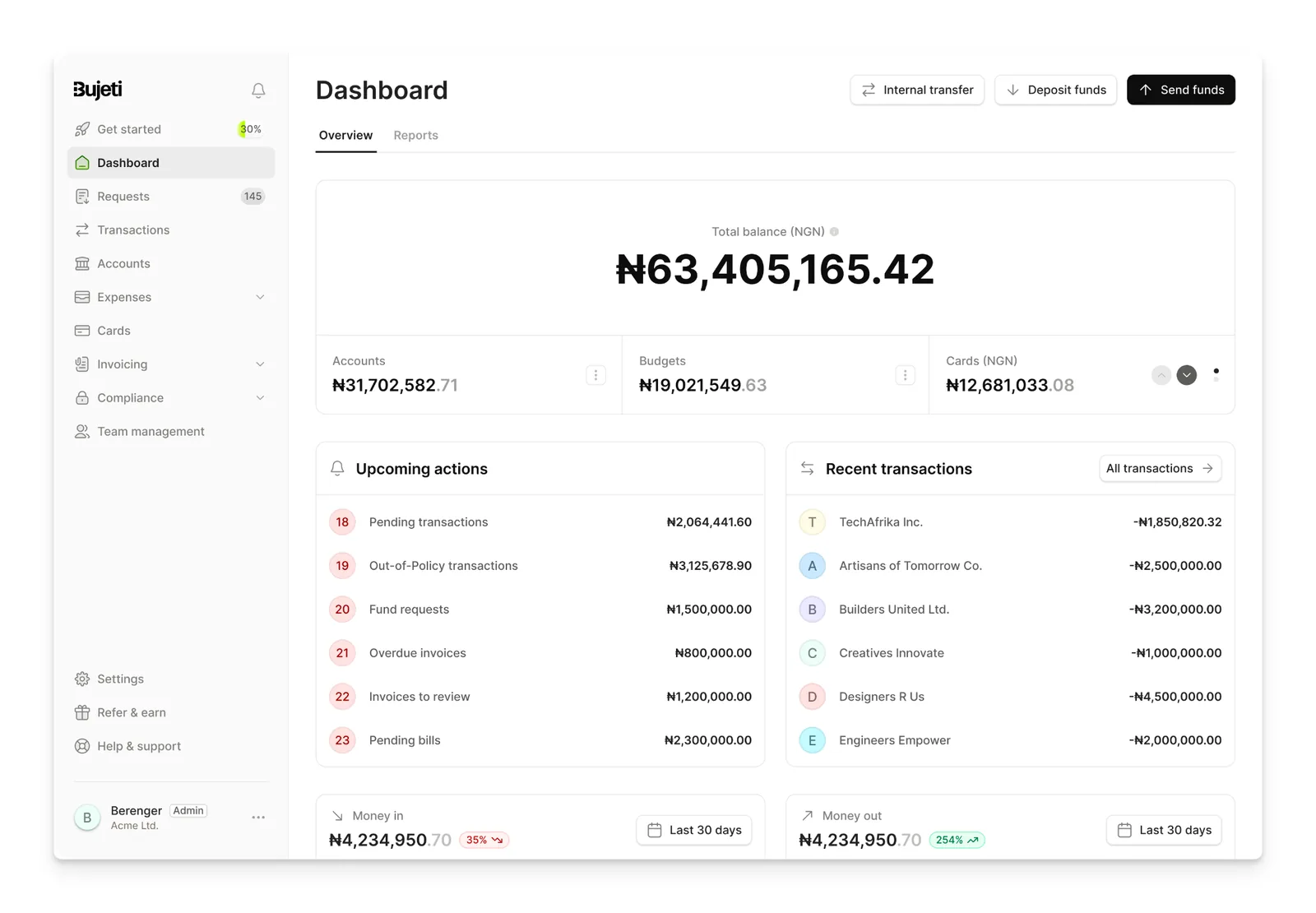
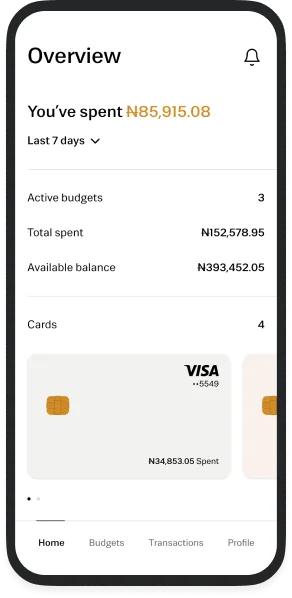
Built over several iterations: a real-time overview of the company’s finances, upcoming actions and recent transactions up front, and quick access to key features.
Reports
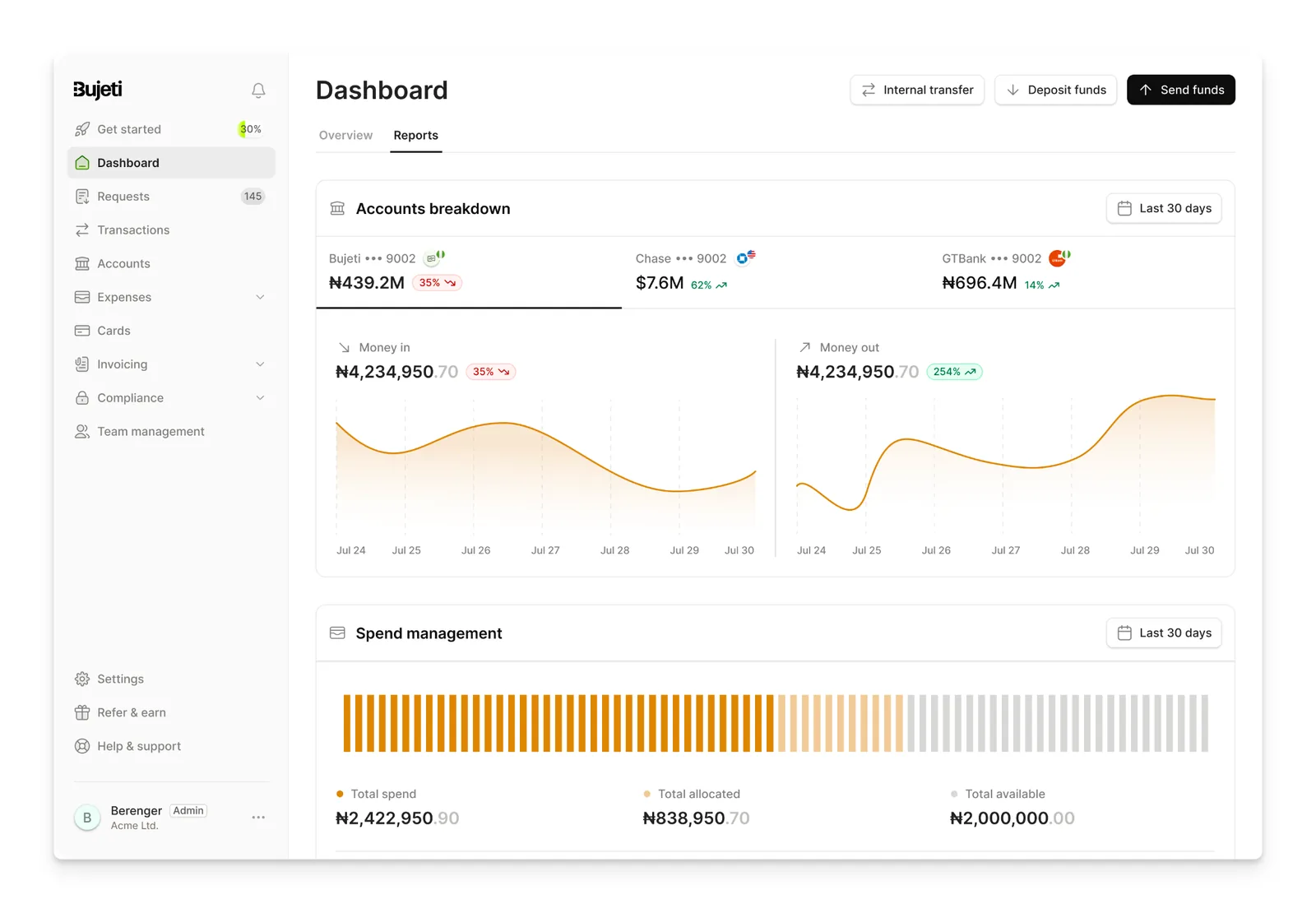
A detailed, analytical view of accounts and cash flow, to follow spending trends over time and assess the company’s financial health.
Accounts
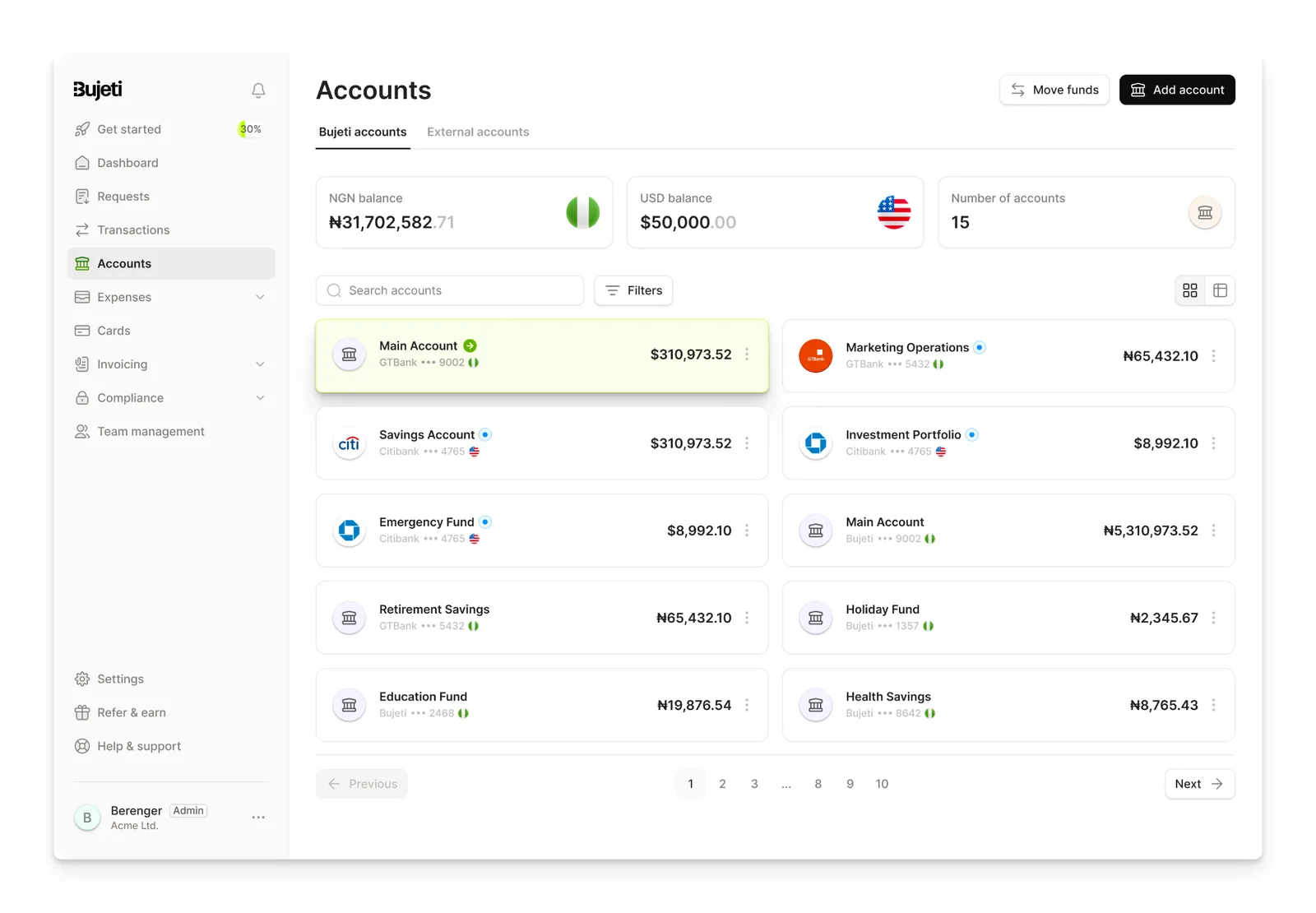
A clear view of every bank account and balance, quick transfers between accounts, and search and filters to navigate easily.
The design system, automated with Figma variables
With features shipping fast and the team growing, staying consistent became a real risk to our velocity. I architected and implemented a design system to keep quality high at speed.
Goals
- One source of truth for designers and developers, built on reliable components and tokens
- Faster onboarding for new designers and developers
- Automated theming with Figma variables, for a consistent experience across the app
Approach
- Audited the best design systems to define a structure fit for a B2B finance product
- Built an advanced token architecture with variables and modes for colour, spacing and more
- Designed a component library with variants and properties tuned for scale
- Wrote onboarding documentation in Notion and ran workshops so designers actually adopted it
The system grew iteratively, sprint after sprint, feature after feature.
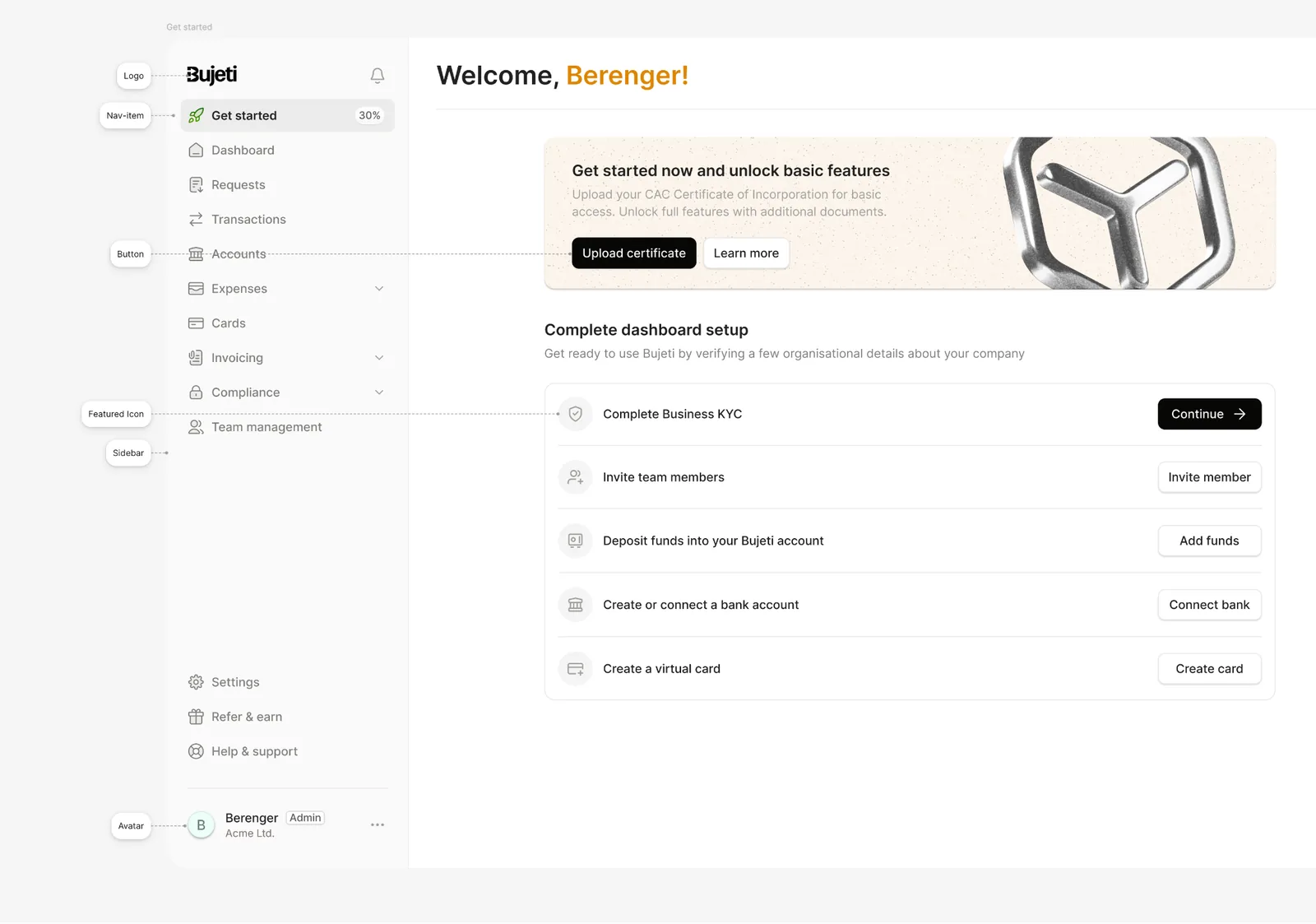
Systemic interface: the navigation
The sidebar is assembled from atoms like avatar, icon and nav item. Update one base component and the change flows everywhere, in a controlled way.
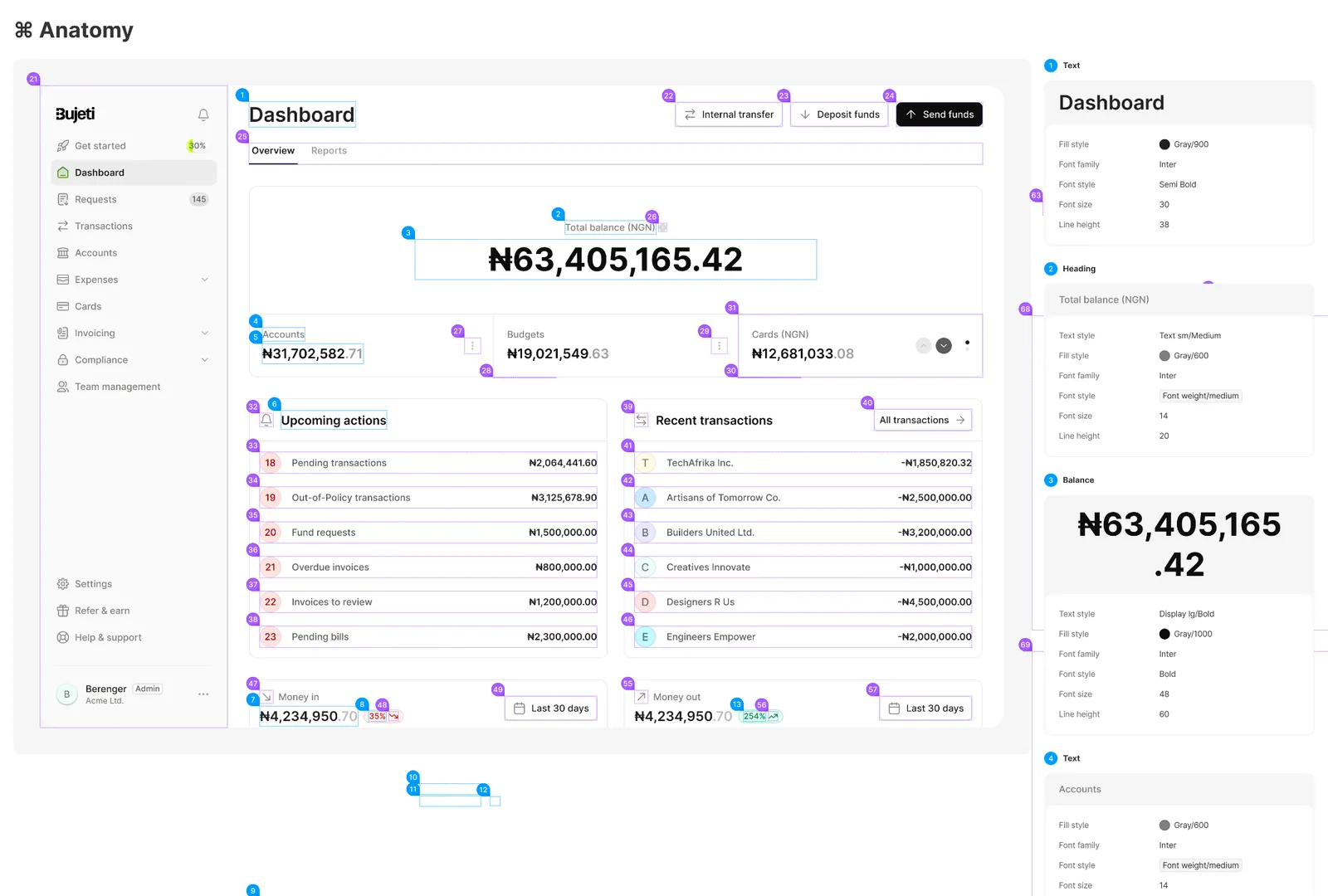
Foundations
A strict type scale, a grid and a spacing scale applied everywhere, with detailed specs that remove guesswork between design and development.
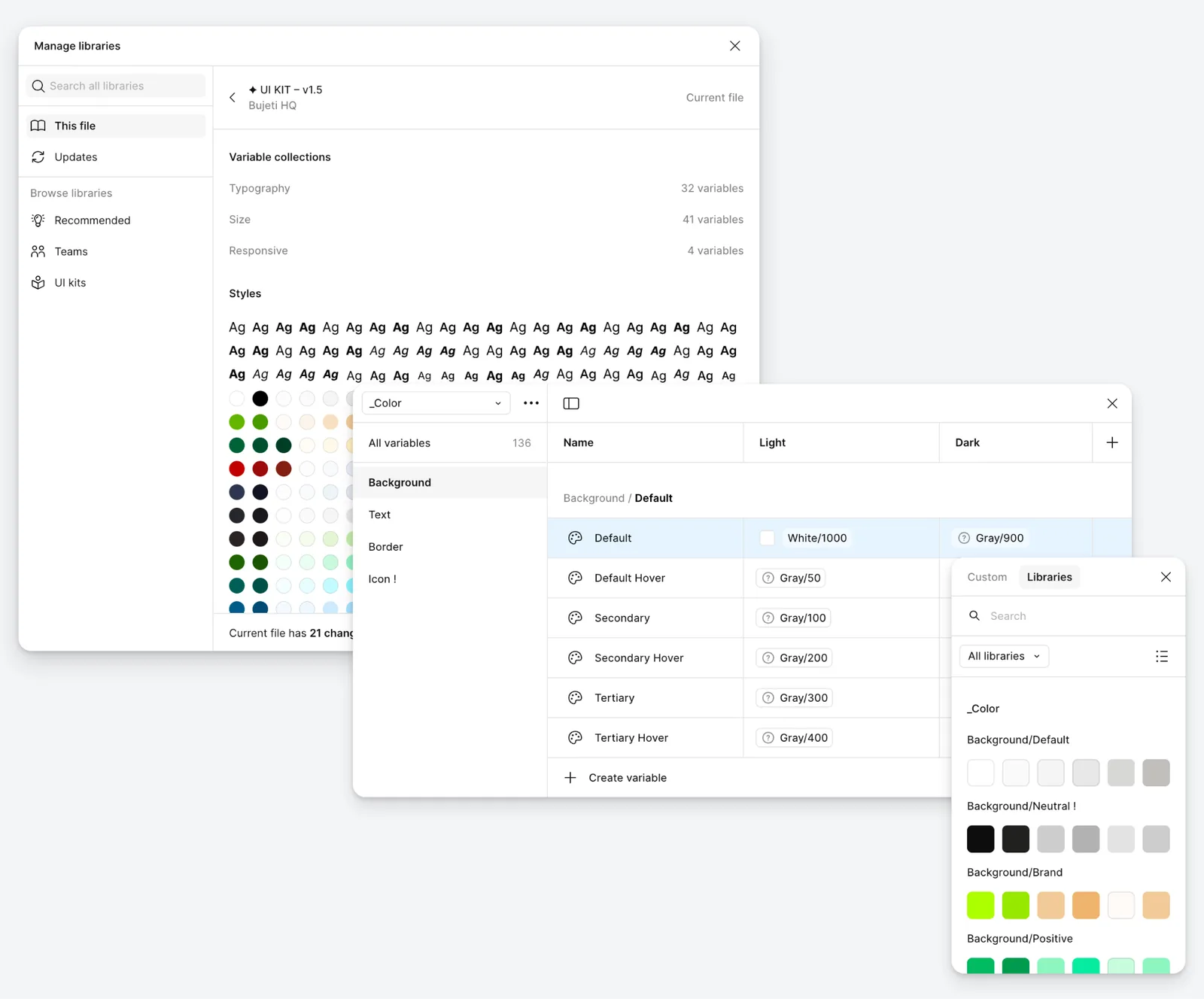
Inside the variables
All colour decisions live in one control panel. Modes handle light and dark themes semantically, and the values can be shared and synced with developers.
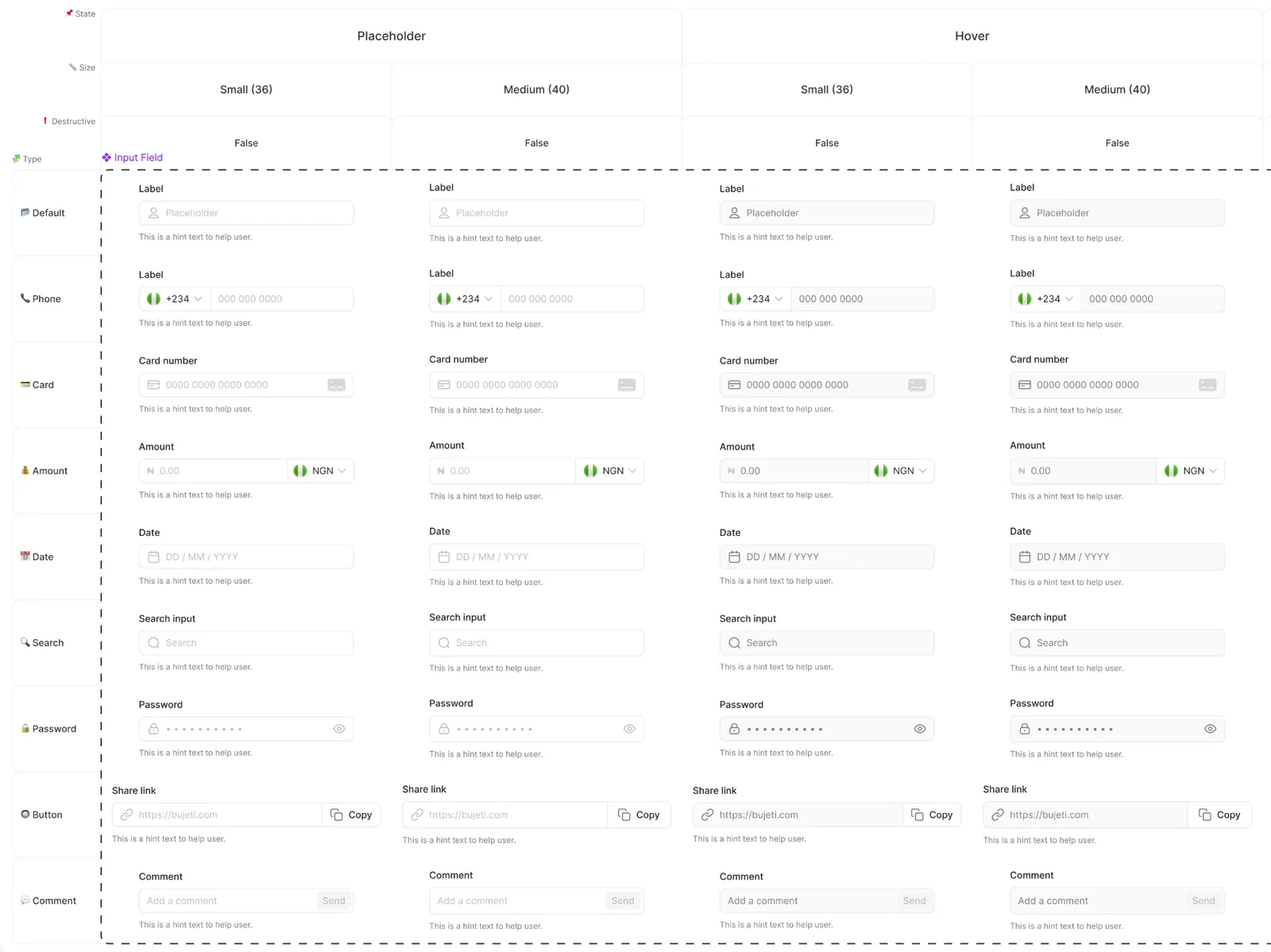
The input matrix
Complex components organised by properties (type, size) and states (hover, focus…), including specialised ones like amount or card number, all on a shared base.
Impact
−40%time spent approving employee expenses
+30%policy compliance and spend tracking
+50%financial data accuracy
On the design system side, onboarding time for a new designer was cut in half and feature design velocity rose by about 40%. Variable-based tokens make theming automatic and the system simpler to maintain than classic styles.
Learnings
- Understanding the specific financial challenges of African businesses
- Designing a flexible interface that leaves room for future features
- Continuous user feedback is essential, especially for tools people use every day